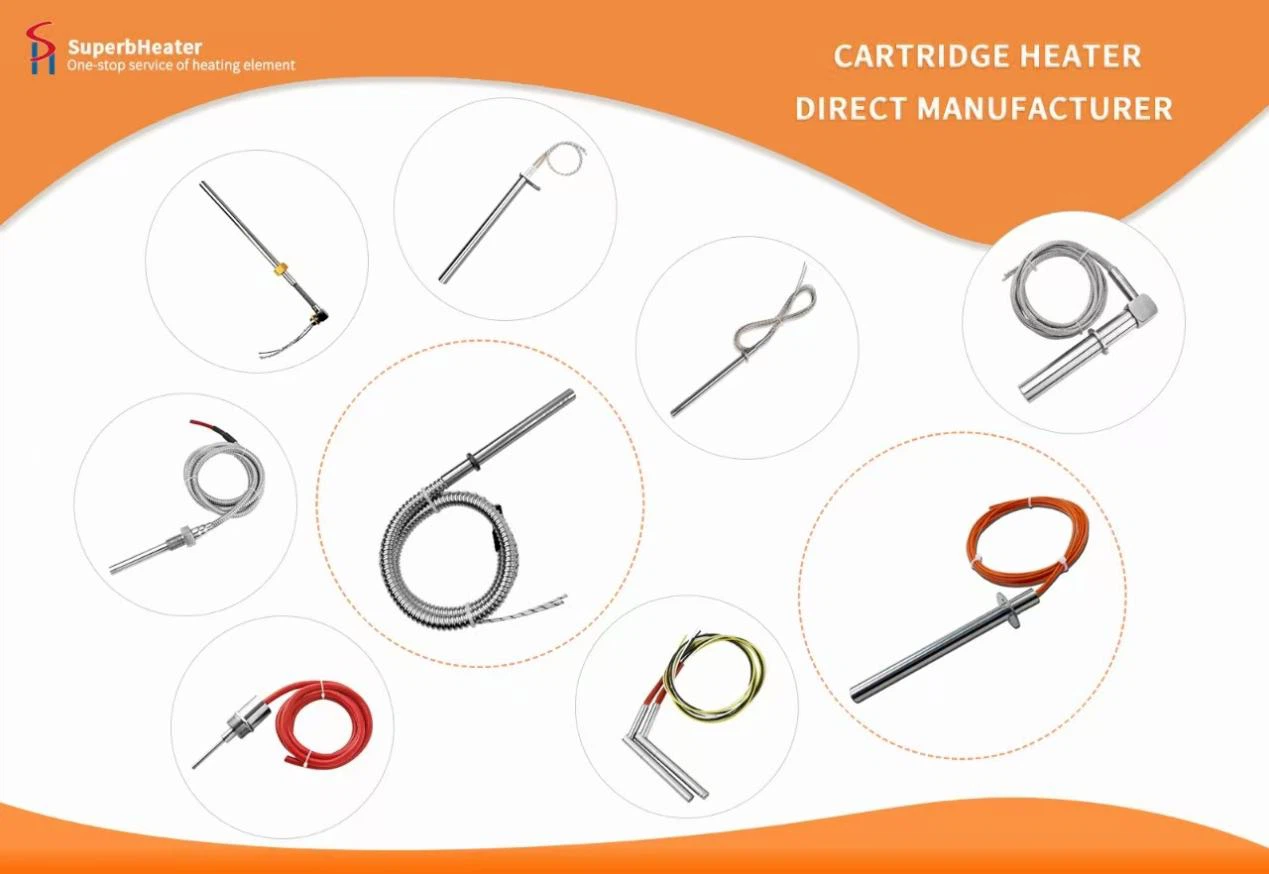
Medical device production tolerates no thermal variation. Implantable components, drug delivery systems, and diagnostic consumables require thermal processing with documented consistency that regulatory authorities audit. The 6×6mm square cartridge heater, with its geometric precision and rapid response, provides the thermal foundation that enables this demanding manufacturing.
Validation requirements exceed typical industrial practice. Installation qualification verifies heater and system meet specifications. Operational qualification demonstrates performance across anticipated operating ranges. Performance qualification confirms consistent results over extended production periods. Each phase requires comprehensive documentation with statistical analysis of temperature data.
Temperature uniformity demands drive heater selection. A micro-mold for surgical instrument components might require ±0.5°C across a 50mm cavity. Multiple 6×6mm square heaters, distributed with engineered spacing and potentially tailored watt density, achieve this uniformity. The square profile's full-face contact eliminates the variation that round heaters would introduce.
Thermal mapping validates heater placement and performance. Thermocouples at multiple locations-both built into heaters and additional validation sensors-measure spatial and temporal temperature distribution. Infrared thermography visualizes surface patterns. Statistical analysis confirms all points remain within specified limits throughout processing cycles.
According to medical device engineering experience, 6×6mm square heaters reduce temperature variation by 40-50% compared to round alternatives in equivalent mold geometries. This improvement enables process capabilities-smaller feature sizes, tighter tolerances, more delicate materials-that regulatory submissions require. The geometric precision supports the technical documentation that demonstrates process control.
Cleanability and biocompatibility constrain heater design. Stainless steel sheaths with appropriate surface finish prevent contamination accumulation. Elimination of crevices-achieved by square profile matching square channels rather than round-in-square gaps-improves cleanability. Materials must withstand aggressive cleaning and sterilization protocols without degradation.
Data integrity requirements affect system design. Electronic records must prevent unauthorized modification; audit trails track all changes. These requirements, derived from FDA 21 CFR Part 11 and international equivalents, influence heater control system architecture. Built-in thermocouples with digital communication provide the verification data that compliance demands.
Process analytical technology integrates thermal monitoring into quality systems. Real-time temperature data from 6×6mm heaters feeds into statistical process control, with automatic alerts for deviation. This integration enables real-time release of product rather than end-of-batch testing, improving efficiency while maintaining quality assurance.
Risk management frameworks require systematic thermal analysis. ISO 14971 for medical devices demands identification and mitigation of heating-related failure modes. Built-in thermocouples, redundant sensors, and fail-safe control logic address risks: undetected heater failure, temperature overshoot, thermal runaway. Heater specification supports regulatory submission arguments through demonstrated risk control.
Material certification extends to component level. Individual 6×6mm heater serial numbers, alloy certifications, and thermocouple calibration certificates support device master records. This documentation enables investigation if product quality issues arise, tracing potential thermal factors through complete supply chain.
For new medical device manufacturing, thermal system design should engage heater suppliers early. Specification of 6×6mm square formats with appropriate materials, terminations, and sensing capabilities from project inception prevents costly redesign when validation requirements become clear. Collaborative development ensures that heater capabilities align with regulatory and performance needs.
The trend toward point-of-care and personalized medicine continues to miniaturize medical devices. Manufacturing equipment must scale accordingly, with thermal management following device size reduction. The 6×6mm square format, already at the precision limit of conventional cartridge heaters, provides the thermal engineering foundation that enables these next-generation manufacturing processes.